
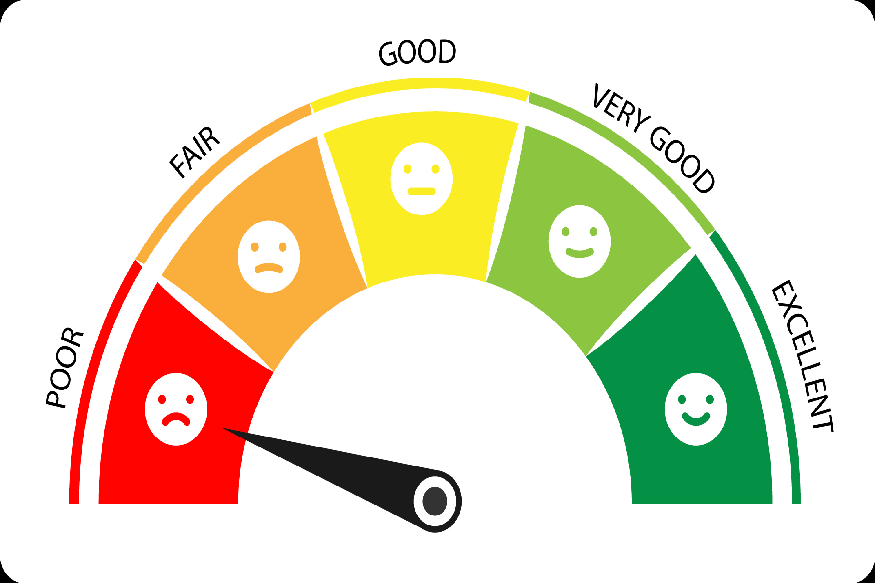
When you find yourself in need of urgent funds or plan a significant life purchase, your first instinct might be to reach out to several lenders at once. Many borrowers believe that by casting a wide net, they increase their chances of securing a loan with the best possible terms. However, this approach often backfires and results in a surprising decline in your credit health.
Understanding the relationship between your loan applications and your credit profile is vital for long term financial stability. Every time you submit a formal application for credit, it leaves a footprint on your record. If these footprints appear too frequently within a short window, they signal a pattern that can make lenders hesitant to approve your requests.
The Difference Between Soft and Hard Enquiries
To understand why your score drops, you must first distinguish between the two types of credit checks. A soft enquiry occurs when you check your own credit report or when a lender checks your profile for a pre-approved offer. These checks are routine and do not have any impact on your CIBIL score. You can check your own status as many times as you like without worrying about any negative consequences.
Read More:Why Customer Experience Matters in Auto Finance Collections
On the other hand, a hard enquiry happens when you formally apply for a credit card or a loan. In this scenario, the lender requests your full credit history from the bureau to assess your creditworthiness. Each hard enquiry is recorded on your report and typically results in a small, temporary reduction in your points. While a single hard enquiry is standard and expected, a cluster of them suggests a different story to the credit bureau.
Why Lenders View Multiple Enquiries as a Red Flag
Lenders use your credit report to gauge how much risk you pose as a borrower. When they see multiple hard enquiries in a very short period, it often triggers a warning sign known as credit hunger. This term describes a situation where a consumer appears desperate for credit, possibly because they are facing a financial crisis or are living beyond their means.
If you apply for four different personal loans in a single week, a lender might assume that you are being rejected by others or that you plan to take on more debt than you can actually manage. Even if you are just rate shopping, the system interprets this high frequency of applications as high risk behavior. This perceived risk is what leads to a lower CIBIL score, as the algorithm penalizes patterns that correlate with potential default.
The Mechanics of a Hard Enquiry
Every time a hard enquiry is logged, the credit bureau adjusts your rating. The logic behind this is based on statistical data showing that people who seek new credit frequently are more likely to run into repayment issues compared to those who do not. The drop might only be a few points for a single application, but these points add up quickly when you apply to several institutions simultaneously.
The impact of these enquiries is not permanent, but it can be significant enough to push you from a “good” category into an “average” one. This shift can affect the interest rates you are offered or even lead to an outright rejection of your application. Most hard enquiries stay on your credit report for a couple of years, though their impact on your CIBIL score usually diminishes after a few months if no further risky behavior is detected.
Using a CIBIL Score Calculator for Better Planning
Before you decide to submit a formal application, it is highly beneficial to use a CIBIL score calculator. This tool allows you to estimate where you stand and understand how different financial decisions might influence your rating. By using a CIBIL score calculator, you can simulate the potential impact of a new loan on your overall profile without actually triggering a hard enquiry.
A CIBIL score calculator helps you stay informed about the factors that matter most, such as your credit utilization ratio and your repayment history. Instead of guessing whether you will be approved, you can use these tools to ensure your profile is strong enough to meet lender requirements. This proactive approach prevents you from making unnecessary applications that would otherwise damage your CIBIL score.
Practical Steps to Protect Your Credit Rating
The best way to protect your rating is to be strategic about your credit applications. Instead of applying to every bank you find, you should conduct thorough research beforehand. Compare interest rates, processing fees, and eligibility criteria on various platforms without submitting a formal application. Many lenders provide basic eligibility checks that only require a soft enquiry, which is a much safer way to explore your options.
Read More:Looking After Yourself When Sport Is a Way of Life
If you must apply for multiple types of credit, try to space out your applications by at least six months. This gap gives your CIBIL score time to recover from the previous enquiry and demonstrates to lenders that you are a disciplined borrower. Additionally, ensure that you only apply for credit when you truly need it, rather than seeking out every new credit card offer that comes your way.
Rebuilding Your Score After Multiple Enquiries
If you have already made the mistake of applying for too many loans in a short time, do not panic. Your credit score is dynamic and can be rebuilt with consistent effort. The first step is to stop making new enquiries immediately. Give your credit report some breathing room and focus on maintaining a perfect repayment record on your existing debts.
Timely payments are the most influential factor in your credit profile. By paying your bills on time and keeping your credit utilization low, you will gradually see your points increase. Over time, the negative weight of those multiple enquiries will fade, and your CIBIL score will reflect your improved financial habits. Patience and discipline are the most effective tools for restoring your credit health after a period of high application activity.