
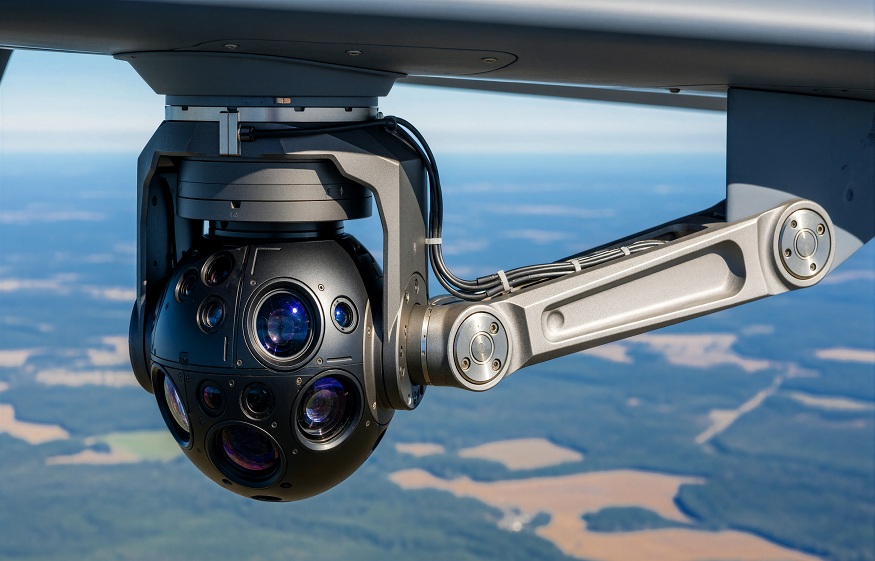
Modern aircraft tackle jobs that seemed impossible twenty years ago. Rescue teams reach disaster zones faster. Cargo planes haul heavier loads over longer distances. Research aircraft collect data from the edge of space. Behind every successful mission sits an array of hardware that makes these feats possible.
Power Systems That Never Quit
Nothing happens without power. Engines provide mechanical power for thrust. Generators create electrical power for systems. Batteries store backup power for emergencies. Hydraulics multiply power for moving heavy control surfaces. Every aircraft balances these power sources carefully. Jet engines have become scarily efficient lately. They’re really squeezing every last drop of energy out of the fuel. Engineers made this happen by employing superior materials and more precise specifications. This is on top of computer-aided design to discover ideal configurations. The result? Engines with extended lifespans, reduced emissions, and fewer breakdowns.
Read More; Utah Asphalt Contractor Solutions for Residential and Commercial Needs
Electrical systems evolved too. Early aircraft had simple wiring. Modern aircraft feature extensive cabling systems that transmit a wide range of electrical currents. Power management systems strategically allocate electricity, ensuring critical systems are prioritized in emergencies. Backup generators kick in automatically if primary systems fail. Fuel systems grew smarter as well. Computers calculate optimal fuel distribution. Pumps transfer fuel between tanks to maintain balance. Quality sensors detect contamination before it reaches the engines. The days of manually switching tanks mid-flight? Ancient history for most aircraft.
Specialized Equipment for Unique Challenges
Standard hardware gets aircraft airborne. Specialized equipment lets them complete missions. Firefighting aircraft carry tanks and sophisticated spray systems. Medical transports include life-support equipment and stabilized stretchers. Military aircraft transport classified cargo.
The unmanned aircraft revolution brought fresh hardware challenges. No pilot means every system needs automation. UAV propellers exemplify this push for efficiency. Aerodine Composites has emerged as a key player, manufacturing composite blades that deliver exceptional performance while keeping weight minimal for maximum endurance. Their products help drones stay airborne longer than traditional designs allow.
Communication equipment has also become incredibly advanced. Aircraft bounce signals off satellites, maintaining contact anywhere on Earth. Digital radios compress voice and data into encrypted streams. Video systems broadcast live footage to command centers thousands of miles away. Some aircraft carry more communication equipment than early space missions.
Read More: From Blueprint to Reality: Innovations in Modern Construction
Weather detection saves lives daily. Radar peers into storms, revealing turbulence and wind shear. Lightning detectors warn pilots before strikes occur. Ice sensors trigger deicing systems automatically. These tools turn deadly weather from a killer into a manageable risk.
Safety Systems Save Lives
Redundancy keeps people alive. Critical systems get duplicated, sometimes triplicated. Lose your primary hydraulics? Secondary system takes over. Lose that too? Manual backup still works. This philosophy runs through every modern aircraft. Collision avoidance systems watch for other aircraft. Ground proximity warnings prevent controlled flight into terrain. Stall warnings alert pilots before aerodynamic disaster strikes. These systems don’t wait for human reaction. They scream warnings the instant danger appears.
Fire represents every aviator’s nightmare. So aircraft carry sophisticated suppression systems. Engine compartments have automatic extinguishers. Cargo holds include smoke detectors and flooding systems. Even small aircraft carry handheld extinguishers for cabin fires. Prevention beats reaction every time.
Conclusion
Hardware defines what aircraft can accomplish. Better engines extend range. Stronger materials increase payload. Smarter computers reduce pilot workload. Each advancement opens new possibilities for aviation. Tomorrow’s missions will demand even more from flight hardware. Climate monitoring, disaster response, space tourism, urban air mobility. These applications need equipment we’re only beginning to develop. But if history teaches anything, it’s that aviation hardware will rise to meet these challenges. The missions keep evolving. The hardware keeps improving. And aircraft keep doing things that surprise even the engineers who design them.