
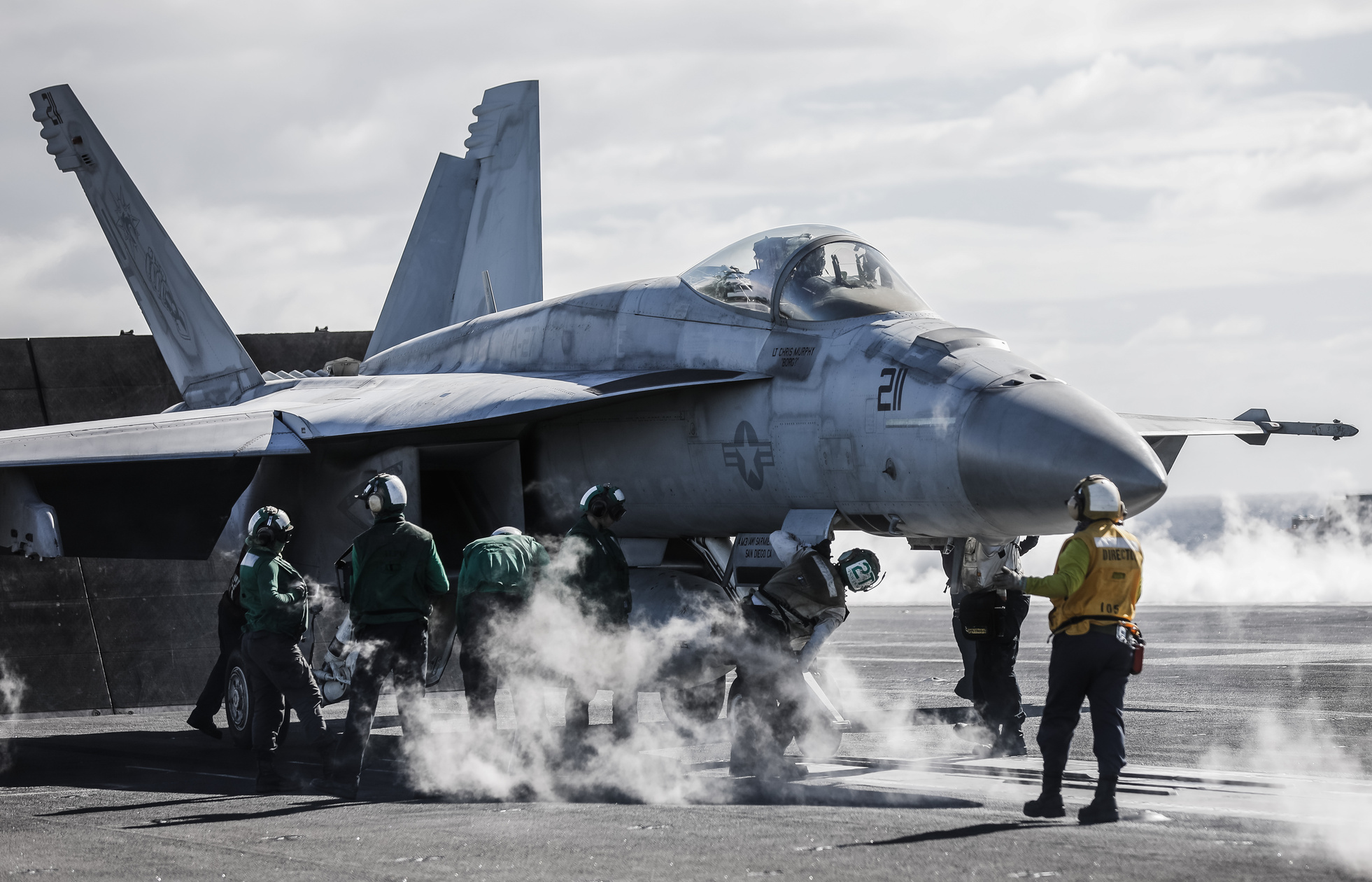
Some aircraft carry way more than passengers or freight. They carry the weight of a mission that can’t afford to go wrong. When a plane flies into a situation where failure just is not on the menu, every part has to be spot on. Getting those parts built is a long haul. It combines clever design, premium materials, and exceptional precision.
It Begins With a Plan
Every solid component kicks off as an idea on a screen. Engineers sketch out what the part has to accomplish. They think through the forces pressing on it, the weather it’ll endure, and the job it must nail every time. Early-stage decisions impact the entire build. Haste now means paying later. Therefore, sharp teams pause and investigate.
Read More: Should You Hire A Lawyer To Fight For Your Workplace Injury Claim?
They repeatedly refine designs through modeling and self-critique. They finish with a well-defined concept of the part’s look and behavior.
Choosing What It’s Made From
With the design settled, the focus shifts to materials. This call matters more than people think. Mission critical aircraft shove their parts to breaking point, so run-of-the-mill materials usually flunk out fast. Advanced composites tend to grab the spotlight. They combine fibers and resin for lightweight strength. Lighter planes fly faster and use less fuel. More strength means it stays safe when things heat up. Put those two together, and you can see why composites keep winning jobs on planes that just cannot fail.
The Precision Behind It All
Trained technicians shape, stack, and cure the materials with painstaking attention. One trapped air bubble or a fiber laid slightly off can weaken the entire part. So the crew sticks to strict steps and watches every little thing. Machines pitch in too. Automated tools slice and position materials with an accuracy no human hand could ever hope to match. Even so, skilled people steer the whole thing from beginning to end. That partnership between clever machines and experienced hands turns out parts that clear ridiculously high bars.
Playing by the Rules
Aircraft parts built for sensitive missions come wrapped in a fat rulebook. Tough laws spell out how these pieces get made, who is allowed to touch them, and where they are permitted to go. The rules guard national security, so companies have to obey them down to the last line.
This is where seasoned experts really shine. Among the many ITAR composite manufacturers USA counts on, firms such as Aerodine Composites earn a strong reputation for skill and grit. They have a deep understanding of the strict regulations and produce parts that meet both engineering and legal requirements. A partner like that provides project leaders with some much-needed relief.
Testing, Then More Testing
No part lands a spot on an aircraft without proving itself first. And the testing gets rough on purpose. Engineers subject components to bending, heating, cooling, and vigorous shaking. The goal is to catch any weakness in the lab, way before the thing ever leaves the ground. A component that lives through all that has genuinely earned its wings. Only then does it graduate to the aircraft. This stubborn checking protects lives and keeps missions running smooth.
Conclusion
Building components for mission critical aircraft is a tall order. It leans on smart planning, the right materials, razor sharp precision, strict rule-following, and testing that never seems to end. Each action is important; missing any could lead to ruin. The weight of this work is substantial, and those performing it understand its gravity. The next time a powerful plane roars above, remember the hard work and expertise that makes the thing fly.
Read More: Flight Hardware That Keeps Modern Missions Moving