
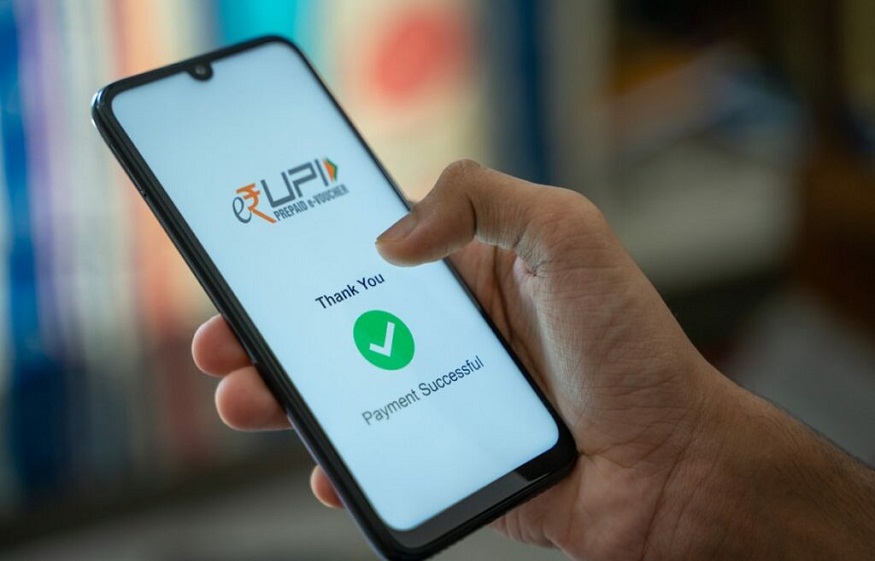
California and Mumbai are separated by time zones, distance, and the usual delays that come with international transfers—sending money used to reflect that gap, with processing time, multiple steps, and a bit of waiting built in.
That experience has started to change. Today, the interaction feels immediate. A quick call home turns into a payment in seconds. Someone shares a QR code, you scan it, enter the amount, and confirm. The money reaches almost instantly.
The shift is noticeable because nothing about the flow feels international anymore.
This is where options like Sliq pay, which allow to send money from California to India UPI, begin to change expectations, making cross-border transfers feel closer to everyday payments.
Why Traditional Transfers Felt Distant
Traditional transfers carried the weight of distance. Sending money meant going through bank systems, often routed via SWIFT networks, with multiple steps along the way.
The process itself was not complicated, but it felt slow.
You send the money, then wait. You check the status. You wonder when it will arrive. That uncertainty became part of the experience.
Read More : Why Customer Experience Matters in Auto Finance Collections
Even small transfers followed the same pattern.
This is what made cross-border payments feel distant, even when the need was immediate.
That shift is now visible with QR-based money transfer USA to India. The process feels shorter, not because the distance changed, but because the interaction did.
How QR-Based UPI Transfers Work Across Borders
The process is simpler than most people expect. Someone in India shares a QR code, usually over a message. You open the app, scan it, enter the amount, and confirm. The payment is processed almost instantly.
There is no need to enter long bank details or wait for the transfer to move through multiple steps. The interaction stays short and direct.
What makes it different:
- no long bank details
• no waiting period
• direct to the recipient
The flow feels familiar because it matches how people already pay in everyday situations.
It feels like paying someone next to you, not across continents. Services like Sliq pay sit in the background, handling the cross-border movement while keeping the front end simple.
Why QR Payments Feel More Natural for NRIs
For many NRIs, the biggest change is not speed, it is familiarity. Sending money used to mean dealing with account numbers, IFSC codes, and multiple fields that had to be entered correctly.
The process worked, but it never felt intuitive.
That shift is now visible in how payments are initiated. Instead of typing out details, the interaction starts with a scan. The action is quicker and easier to repeat.
This is what makes QR-based money transfer USA to India feel more natural.
| Old Way | QR-Based Way |
| Bank details | QR scan |
| Manual entry | Instant |
| Delayed | Real-time |
The difference is subtle but important. The process no longer feels like a transfer. It feels like a simple payment, closer to how people already move money in everyday situations.
What You Can Use It For
The usefulness of QR-based transfers shows up in everyday situations, not just large transactions. It fits into the kind of payments that happen regularly, often without much planning.
Supporting family, paying rent, or handling an urgent expense no longer needs a structured process. Even smaller transfers feel just as easy to manage.
Common use cases:
- sending money home
• paying household expenses
• splitting family costs
• quick support transfers
The flexibility makes a difference. You can send what is needed, when it is needed, without adjusting how you usually handle payments. The process stays simple, whether the amount is large or small.
What Makes This Shift Important
The shift is not just about speed. It is about how the process feels while you are using it.
Payments feel immediate. You send money and see it arrive without waiting or checking repeatedly. There is a sense of control because the steps are clear, and visibility because you know what is happening at each stage.
- immediacy in how quickly transfers are completed
• control over when and how you send
• visibility into the final outcome
What feels instant is still supported by banking systems working in the background. That layer runs quietly through services like Sliq pay, while the front stays simple and easy to move through.
Conclusion
The distance between California and India no longer defines how money moves.
What once involved delays and multiple steps now feels immediate. With UPI becoming a standard way to pay, cross-border transfers are starting to follow the same pattern.
The ability to send money from California to India UPI reflects this shift toward faster, simpler interactions.
Read More : Why Multiple Loan Enquiries in a Short Period Lower Your CIBIL Score
As QR-based money transfer USA to India becomes more common, the experience begins to feel less like an international transfer and more like a regular payment.
The gap is smaller, and the process feels easier to trust.
Please refer to Sliq pay’s Terms of Use and official product pages for the most accurate and up-to-date information. Sliq pay makes no representations or warranties regarding the completeness, accuracy, or reliability of the content.